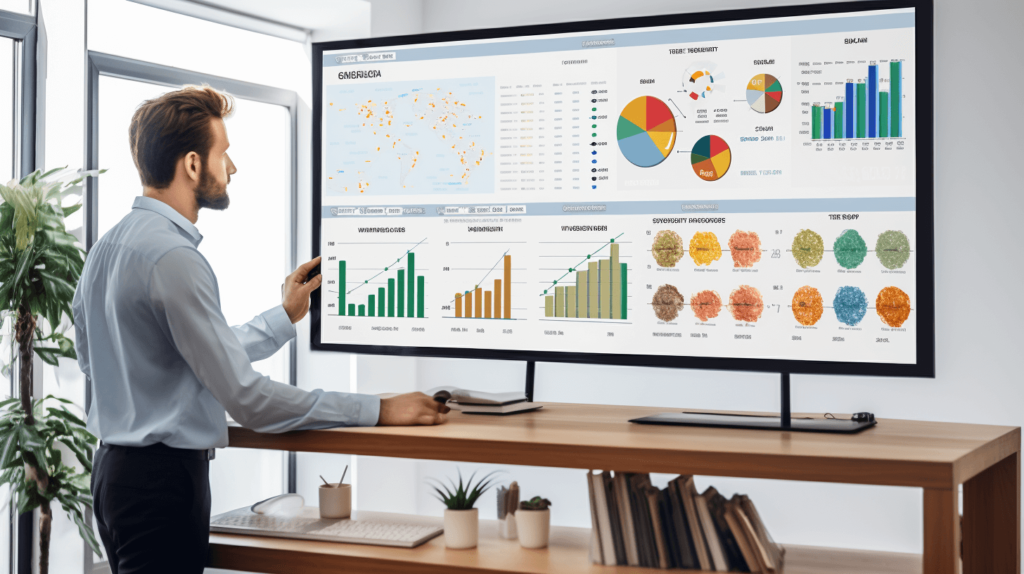
Customer Segmentation is the practice of dividing a customer base into distinct groups that share similar characteristics.
By understanding these segments, businesses can tailor their marketing strategies, products, and services to meet the specific needs and preferences of each group, leading to increased customer satisfaction and higher conversion rates.
Understanding Customer Segmentation: Beyond One-Size-Fits-All
“71% of consumers feel frustrated by impersonal experiences, and 66% expect brands to understand their needs and preferences.”
In a market saturated with choices, generic marketing approaches often fall flat. Customer segmentation allows businesses to focus their efforts more effectively by recognizing the diversity within their customer base.
Why Customer Segmentation Matters
- Personalized Marketing: Craft targeted campaigns that resonate with specific customer groups.
- Improved Customer Retention: Enhance loyalty by addressing the unique needs of each segment.
- Efficient Resource Allocation: Allocate marketing budgets more effectively by focusing on high-value segments.
- Product Development: Design products or services that cater to the preferences of different segments.
- Competitive Advantage: Stand out in the market by offering tailored solutions.

Types of Customer Segmentation
Customer segmentation can be based on various criteria, each providing unique insights.
1. Demographic Segmentation
- Age
- Gender
- Income Level
- Education
- Occupation
2. Geographic Segmentation
- Country
- Region
- City
- Climate
3. Psychographic Segmentation
- Lifestyle
- Values
- Personality Traits
- Interests
4. Behavioral Segmentation
- Purchase History
- Usage Rate
- Brand Loyalty
- Benefits Sought
5. Firmographic Segmentation (B2B)
- Industry
- Company Size
- Location
- Revenue
Implementing Customer Segmentation
1. Define Your Objectives
- Set Clear Goals: Determine your goal with segmentation (e.g., increase sales, and improve retention).
- Align with Business Strategy: Ensure segmentation efforts support overall business objectives.
2. Collect and Analyze Data
- Gather Data: Use surveys, transaction records, website analytics, and CRM systems.
- Data Quality: Ensure the data is accurate and up-to-date.
3. Identify Segmentation Criteria
- Select Variables: Choose the most relevant criteria based on your business and customers.
- Combine Methods: Use a mix of segmentation types for deeper insights.
4. Segment Your Customers
- Use Analytical Tools: Employ software and statistical methods to group customers.
- Profile Each Segment: Create detailed descriptions of each group.
5. Develop Targeted Strategies
- Tailored Marketing: Design campaigns specific to each segment.
- Product Customization: Adjust offerings to meet segment needs.
- Pricing Strategies: Implement pricing models that appeal to different segments.
6. Monitor and Adjust
- Track Performance: Measure the effectiveness of your segmentation strategies.
- Gather Feedback: Listen to customer responses and adapt accordingly.
- Refine Segments: Update your segmentation as market conditions and customer behaviors change.
Overcoming Challenges in Customer Segmentation
“Additionally, around 88% of marketers aim to enhance the customer experience through personalization, which they consider a top priority for maintaining customer loyalty and satisfaction.”
Data Limitations
- Solution: Invest in data collection and management systems to improve data quality.
Over-Segmentation
- Solution: Avoid creating too many small segments that are difficult to manage; focus on segments large enough to be profitable.
Implementation Complexity
- Solution: Start with a few key segments and expand as you gain experience.
Privacy Concerns
- Solution: Ensure compliance with data protection regulations and be transparent with customers about data usage.
Future Trends in Customer Segmentation

- Artificial Intelligence and Machine Learning Predictive Analytics: Use AI to predict customer behaviors and segment accordingly.
- Real-Time Segmentation: Adjust segments on the fly based on live data.
- Hyper-Personalization Individualized Marketing: Move beyond segments to personalize at the individual level.
- Omnichannel Data Integration Unified Customer View: Combine data from all channels for more accurate segmentation.
- Ethical Segmentation Inclusivity: Ensure segmentation practices do not discriminate or exclude unfairly.
How xFusion Enhances Your Customer Segmentation Efforts
At xFusion, we understand that effective customer segmentation is key to unlocking your business’s full potential.
- Expert Data Analysis: Leverage our expertise to collect and interpret customer data accurately.
- Customized Segmentation Models: Develop segmentation strategies tailored to your unique business needs.
- Technology Integration: Implement advanced tools for data management and analysis.
- Strategic Marketing Support: Design and execute targeted campaigns for each customer segment.
- Continuous Improvement: Monitor results and refine strategies to ensure ongoing success.
Elevate Your Marketing Strategy Today
Investing in Customer Segmentation allows you to connect with your customers on a deeper level, delivering personalized experiences that drive loyalty and growth.
Ready to transform your marketing approach and boost your bottom line?
Contact xFusion today to discover how we can help you implement effective customer segmentation strategies that propel your business forward.